
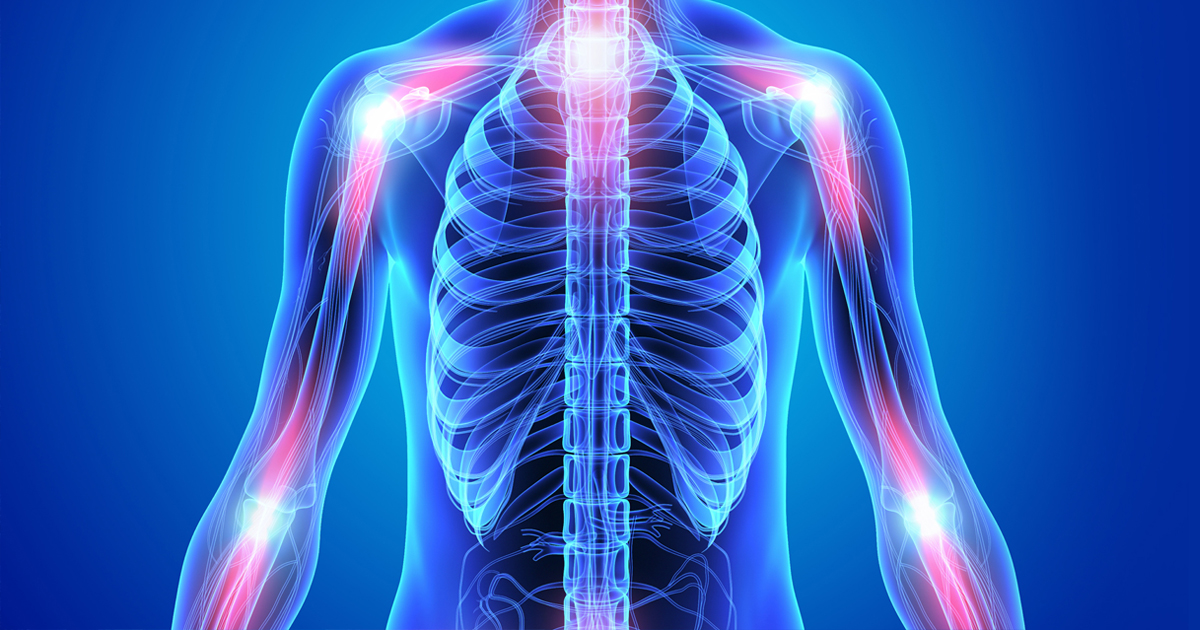
Inflammation is your body's natural defense mechanism — a critical part of the healing process. But when inflammation becomes chronic, it can contribute to joint pain, fatigue, digestive issues, and even autoimmune conditions. One dietary change gaining significant attention is going gluten-free.
What Is Gluten, Exactly?
Gluten is a family of proteins found in wheat, barley, rye, and triticale. It gives bread its chewy texture and helps dough rise. For most people, gluten is harmless. But for a growing number of individuals — including those without celiac disease — gluten can trigger an inflammatory response.
The Gluten-Inflammation Connection
Research suggests that gluten can increase intestinal permeability — often called "leaky gut" — even in people without celiac disease. When the gut lining becomes compromised, partially digested food particles and toxins can enter the bloodstream, prompting the immune system to mount an inflammatory response. Over time, this low-grade systemic inflammation can affect joints, skin, energy levels, and cognitive function.
Who Benefits Most?
People with celiac disease must avoid gluten entirely — it's a medical necessity. But those with non-celiac gluten sensitivity (NCGS) may also experience meaningful relief from symptoms like bloating, brain fog, joint pain, and fatigue after eliminating gluten. Some individuals with autoimmune conditions such as rheumatoid arthritis or Hashimoto's thyroiditis report reduced flare-ups on a gluten-free diet.
Going Gluten-Free the Right Way
Simply swapping regular pasta for gluten-free alternatives isn't enough — many packaged gluten-free products are highly processed and low in fiber. Focus on naturally gluten-free whole foods: quinoa, brown rice, sweet potatoes, lean proteins, fruits, vegetables, nuts, and seeds. These foods are nutrient-dense and inherently anti-inflammatory.
Track Your Results
If you suspect gluten may be contributing to inflammation, try a 30-day elimination period and track how you feel. Use CrossTrainer's nutrition logging to monitor your meals and note any changes in energy, digestion, or joint comfort. The data will tell you more than any article can.